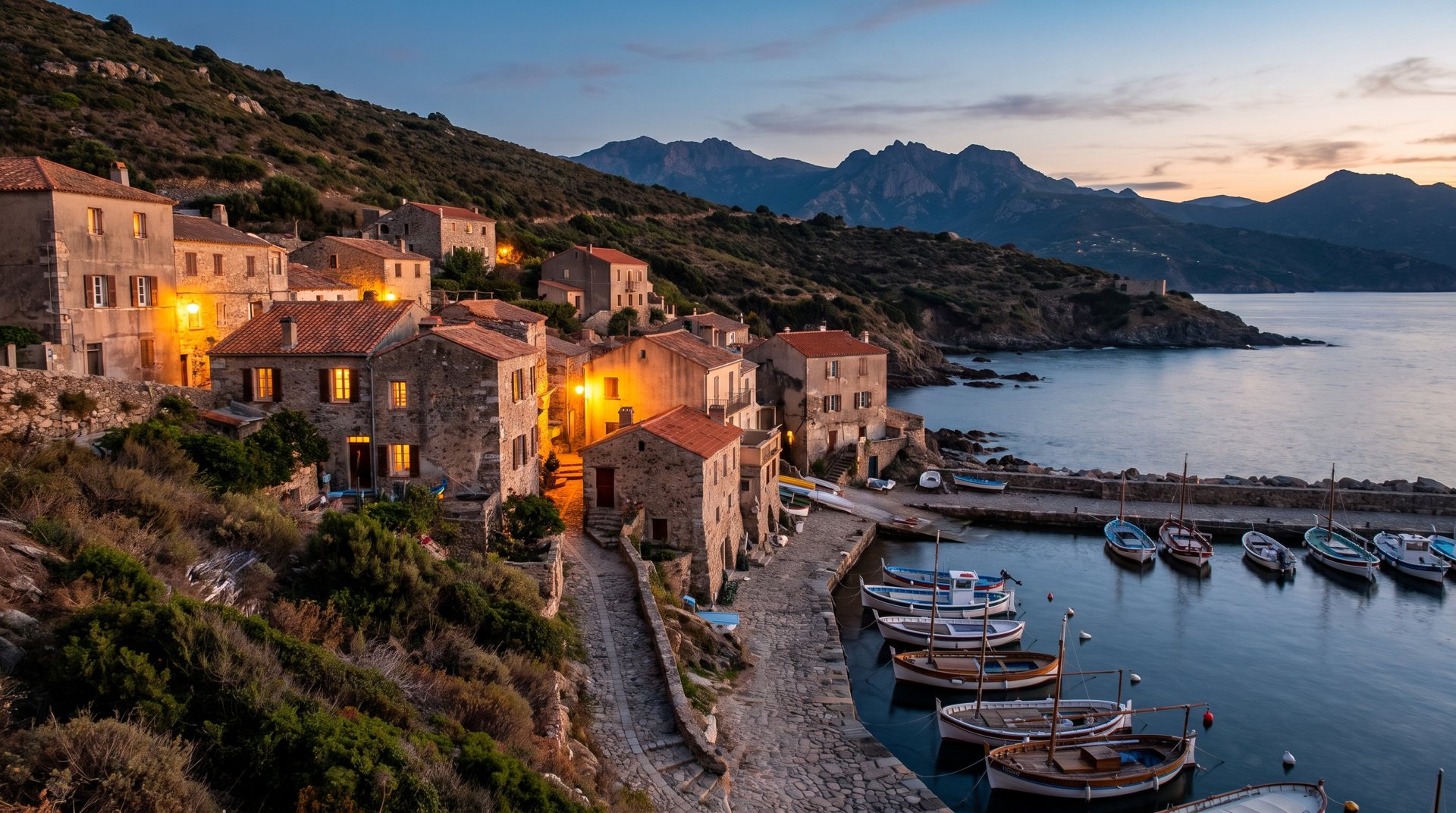
- There is no single best place to stay in Corsica: the island is mountainous and roads are slow, so the right base depends on how you travel and what you want from your days.
- Ajaccio and Bastia suit travellers without a car (airport, ferry port and train), Porto-Vecchio and Bonifacio suit beach lovers in the south, Corte suits hikers, and the Balagne, Porto, Cap Corse and the Valinco suit slower, scenic trips.
- For a week or more, many visitors split their stay between two bases, for example one on the coast and one inland, rather than driving long distances every day.
Working out where to stay in Corsica is the decision that shapes the whole holiday. The island looks compact on a map, but its granite spine of mountains, winding coast roads and scattered villages mean that a base in the wrong place can turn every outing into a long drive. This guide takes a different approach from a list of hotels: it compares the main bases region by region, explains who each one suits best (travellers without a car, families, beach lovers, hikers and couples), and shows how each is connected by air, sea and rail. Transport facts come from Visit Corsica, the official tourism website of the Agence du Tourisme de la Corse, and from local tourist offices.
How to choose the best area to stay in Corsica
Before comparing towns, it helps to answer three questions. They narrow the choice faster than any ranking.
1. How will you arrive?
According to Visit Corsica, the island is served all year round by four international airports and seven commercial ports with services from mainland France and Italy. The four airports are Ajaccio, Bastia, Calvi and Figari, as listed on the official Visit Corsica flights page. Basing yourself near your arrival point saves time on the first and last day, which matters on a short trip.
2. Will you have a car?
This is the biggest factor. A car opens up the whole island, but driving in Corsica is slow and demanding on mountain roads. Without a car, you need a town with a train station, a ferry port or regular buses, and a good choice of beaches or walks within reach.
3. Beach, mountains or culture?
The south east has the most famous sandy beaches, the west coast has the most dramatic scenery, the interior is for walkers, and the two main towns have the most museums, restaurants and evening life. Pick the landscape you want to wake up to, then check the logistics.
Where to stay in Corsica: the main bases compared
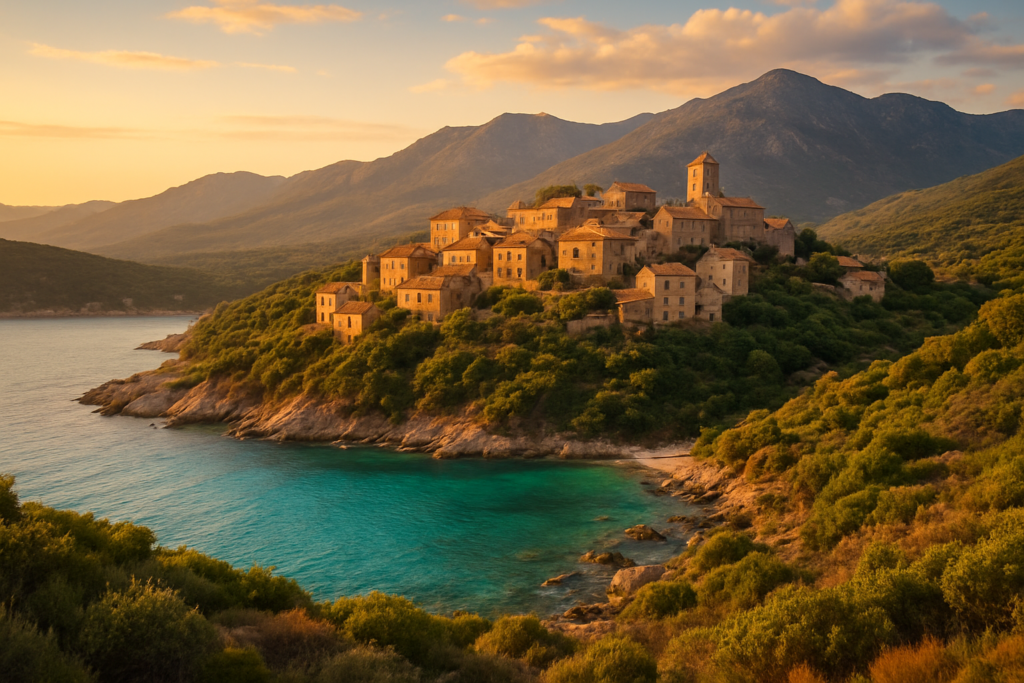
The table below gives an overview of the best places to stay in Corsica and how each base is connected. “Car needed?” reflects how easy it is to enjoy the area without driving, not whether you can physically reach it.
| Base | Ideal for | Access (airport / port / train) | Car needed? |
|---|---|---|---|
| Ajaccio | City break, first visit, travelling without a car | Airport, ferry port, train station | No, a car helps for day trips |
| Bastia | Arrivals by ferry, culture, Cap Corse day trips | Airport, ferry port, train station | No, a car helps for Cap Corse |
| Calvi and the Balagne | Beaches, families, hill villages | Airport, ferry port, train station (Calvi and L’Île-Rousse) | Not in town, yes for the villages |
| Porto-Vecchio | Beach holidays, families, couples | Figari airport, ferry port | Yes, in practice |
| Bonifacio | Scenery, couples, boat trips, Sardinia day trips | Figari airport, ferries to Sardinia | Helpful, the old town is walkable |
| Corte | Hiking, rivers, mountain culture | Train station on the Ajaccio to Bastia line | Helpful for trailheads |
| Porto and the west coast | Scenery, boat trips, couples | Nearest airports Ajaccio or Calvi | Yes |
| Cap Corse | Quiet coves, wine villages, road trips | Nearest airport and port in Bastia | Yes |
| Propriano and the Valinco | Calm beaches, families, mid-range stays | Ferry port, nearest airports Ajaccio or Figari | Yes, in practice |
The best places to stay in Corsica, region by region
Ajaccio: the easiest all-round base
Ajaccio, on the west coast, is the island’s largest town and the birthplace of Napoleon. It has everything in one place: an airport, a ferry port, a train station, a lively old town, a seafront promenade and beaches along the road towards the Pointe de la Parata and the Îles Sanguinaires. It is the most practical choice for a first visit or a short break, and for anyone travelling without a car. The Ajaccio Tourist Office notes that the island’s main railway lines link Ajaccio to Corte, Bastia and Calvi, which makes day trips into the mountains possible by train.
Bastia: the gateway for ferry travellers
Bastia, in the north east, is where many ferries from mainland France and Italy arrive. It is a working port town with a strong Italian feel, a picturesque old harbour, baroque churches and a citadel. It has its own airport and sits at the end of the main railway line from Ajaccio via Corte. Bastia is a sensible base if you arrive by sea with or without a car, and it is the natural springboard for exploring Cap Corse. Beaches close to town are less spectacular than in the south, so it suits culture and food more than a pure beach holiday.
Calvi and the Balagne: beaches and hill villages
The Balagne in the north west combines a long sandy bay at Calvi, the resort of L’Île-Rousse and a hinterland of hilltop villages known for crafts. Calvi has an airport and a ferry port, and a suburban train runs along the coast between Calvi and L’Île-Rousse, according to the Ajaccio Tourist Office. That makes the Balagne one of the few coastal areas where a car-free beach holiday works well. It is a popular area for families, with gentle beaches close to town. We will cover Calvi in more detail in a dedicated guide.
Porto-Vecchio: the classic beach base
If your idea of Corsica is white sand and turquoise water, Porto-Vecchio is the obvious base. The town, in the south east, is within reach of some of the island’s best known beaches, including Palombaggia and Santa Giulia, and of the forests and rock formations of the Bavella area inland. It is busy and lively in summer, with plenty of restaurants and holiday rentals. Figari airport serves the south, and Porto-Vecchio has a ferry port. In practice you will want a car here: the beaches are spread around the gulf and public transport between them is limited. Families often favour this area for its shallow, sheltered bays.
Bonifacio: dramatic and romantic
Bonifacio sits on the southern tip of the island. The Bonifacio Tourist Office describes the medieval upper town perched more than 60 metres above the sea on white limestone cliffs, and boat trips to the cliffs, caves and Lavezzi Islands leave from the marina. It is one of the most atmospheric places to stay in Corsica for couples, and ferries cross the strait to Sardinia. The old town itself is compact and walkable, but beaches and excursions are easier with a car. Book early: accommodation in and around the town fills quickly in high season.
Corte: the base for hikers
Corte, in the centre of the island, is the former capital of independent Corsica and today a university town. It sits on the Ajaccio to Bastia railway line and is surrounded by mountain valleys such as the Restonica and the Tavignano, with natural pools and marked paths. It is the best base for walkers who want to do day hikes rather than a long-distance trek, and it stays cooler than the coast in summer. Corte is also a common stop for people tackling sections of the GR20, the island’s famous long-distance trail, which deserves its own guide.
Porto and the west coast: the scenic choice
The small village of Porto, between Ajaccio and Calvi, sits at the heart of one of Corsica’s most spectacular landscapes: the Gulf of Porto, the red rock formations of the Calanques de Piana and the Scandola nature reserve, which together form a UNESCO World Heritage site. Boat trips leave from Porto to see Scandola and the village of Girolata. The coast road is narrow and winding, and there is no train, so a car is essential. It suits couples and photographers who are happy to trade nightlife for views.
Cap Corse: quiet and wild
Cap Corse is the long finger of land pointing north from Bastia. Its coast is lined with small harbours, Genoese towers and wine villages, and the Cap Corse tourist office is the best starting point for local information. Accommodation is scattered and often small scale. It is ideal for a slow road trip or a peaceful week, but you need a car, and the road around the cape is twisting. Many visitors prefer to stay in Bastia or Saint-Florent and explore the cape on day trips.
Propriano and the Valinco: calm and family friendly
Propriano, on the Gulf of Valinco in the south west, is a relaxed resort with a marina, a ferry port and long sandy beaches nearby. It makes a good base for families who want something quieter than Porto-Vecchio, and it is well placed for the prehistoric site of Filitosa and the hill town of Sartène. Ajaccio and Figari are the nearest airports. A car makes life much easier here.
The best base by type of trip
Where to stay in Corsica without a car
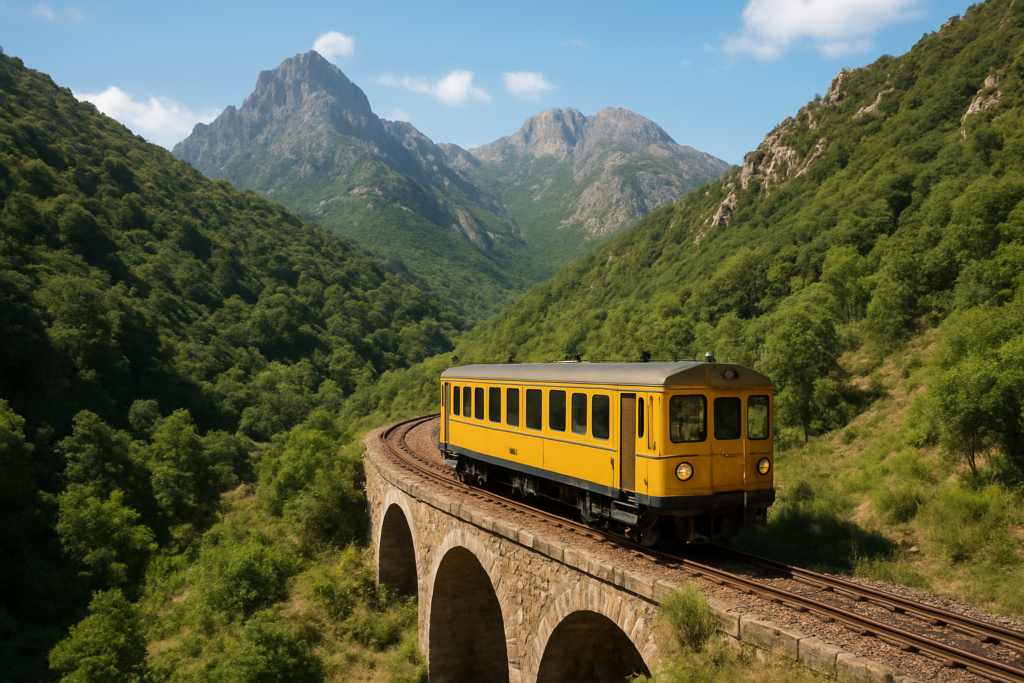
Without a car, the strongest options are Ajaccio, Bastia, Calvi and L’Île-Rousse, and Corte, because they combine an arrival point with train links and services on foot. We cover this topic in depth, including buses, trains and beach access, in our full guide to visiting Corsica without a car, so we will not repeat it here.
For families
Families usually look for gentle, sandy beaches and short journeys. Calvi and the Balagne, Porto-Vecchio and the Valinco around Propriano all fit the bill. A self-catering rental gives you more space and flexibility: our guide to Corsica holiday villas explains how to choose one by region.
For a beach holiday
The south east around Porto-Vecchio and Bonifacio has the most famous beaches, while the Balagne offers long bays close to town. Bring a car if you want to beach hop.
For hiking
Corte is the classic choice, with valleys and trails on the doorstep. The Bavella area above Porto-Vecchio and the mountains above Porto are good alternatives if you also want time by the sea.
For couples
Bonifacio, Porto and the hill villages of the Balagne offer the most romantic settings, with sunsets, old stone houses and boat trips. Cap Corse suits couples who want peace above all.
Where to stay in Corsica quiz
Pick an answer and the correction appears instantly.
1. How many international airports does Corsica have, according to Visit Corsica?
Correct: Ajaccio, Bastia, Calvi and Figari.Not quite: there are four, Ajaccio, Bastia, Calvi and Figari.
2. Which town is the best base for day hikes in the mountains?
Right: Corte sits among mountain valleys on the railway line.No: Corte, in the centre of the island, is the hikers’ base.
3. Which coastal service lets you enjoy the Balagne without a car?
Exactly: a suburban train runs between Calvi and L’Île-Rousse.Not quite: it is the suburban train between Calvi and L’Île-Rousse.
4. Which area is the classic base for famous white-sand beaches?
Correct: Palombaggia and Santa Giulia are close by.No: Porto-Vecchio is the classic beach base.
FAQ
What is the best area to stay in Corsica for a first visit?
Ajaccio is the easiest all-round base for a first visit: it has an airport, a ferry port, a train station, beaches and a historic centre. If beaches are your priority, Porto-Vecchio in the south east is the classic alternative, but you will need a car.
Is it better to stay in the north or the south of Corsica?
The south has the most famous sandy beaches around Porto-Vecchio and the dramatic cliffs of Bonifacio. The north offers Bastia, Cap Corse and the Balagne, with good rail links between Bastia, Corte, Ajaccio and Calvi. Choose the south for a beach holiday, the north for variety and easier car-free travel.
Can I stay in one place for my whole holiday?
Yes, for a short stay or a beach holiday. For a week or more, many visitors prefer two bases, because mountain roads make long day trips tiring.
Where should I stay in Corsica if I don’t drive?
Ajaccio, Bastia, Calvi, L’Île-Rousse and Corte are the most practical, thanks to the railway and services within walking distance. See our dedicated guide to travelling in Corsica without a car for details.
Where is the best place to stay in Corsica for hiking?
Corte, in the centre of the island, is the best base for day hikes, with the Restonica and Tavignano valleys close by and a station on the Ajaccio to Bastia line.