Driving to Corsica from the UK: Route, Documents and Car Ferries
Author: Sophie Trent — · Updated:
Short summary: In short Driving to Corsica from the UK means three legs: a Channel crossing, a long drive south through France, and a car ferry to the island from Toulon, Marseille, Nice or Sète (or from Italy). Before you go, check your passport validity, the new EU Entry/Exit System (EES) at the border, your UK sticker, ... Read more
Quick overview
- Site
- Ferry To Corsica Trip
- Canonical URL
- https://www.ferry-to-corsica-trip.com/driving-to-corsica-from-uk/
- LLM HTML version
- https://www.ferry-to-corsica-trip.com/driving-to-corsica-from-uk/llm
- LLM JSON version
- https://www.ferry-to-corsica-trip.com/driving-to-corsica-from-uk/llm.json
- Manifest
- https://www.ferry-to-corsica-trip.com/llm-endpoints-manifest.json
- Estimated reading time
- 10 minutes (564 seconds)
- Word count
- 1878
Key points
- In short Driving to Corsica from the UK means three legs: a Channel crossing, a long drive south through France, and a car ferry to the island from Toulon, Marseille, Nice or Sète (or from Italy).
- Before you go, check your passport validity, the new EU Entry/Exit System (EES) at the border, your UK sticker, insurance and, if you will drive through some French cities, a Crit’Air clean air sticker.
- Split the drive over two days, book the Corsica ferry first and the Channel crossing second, and you will arrive with your own car, your luggage and no hire-car bills.
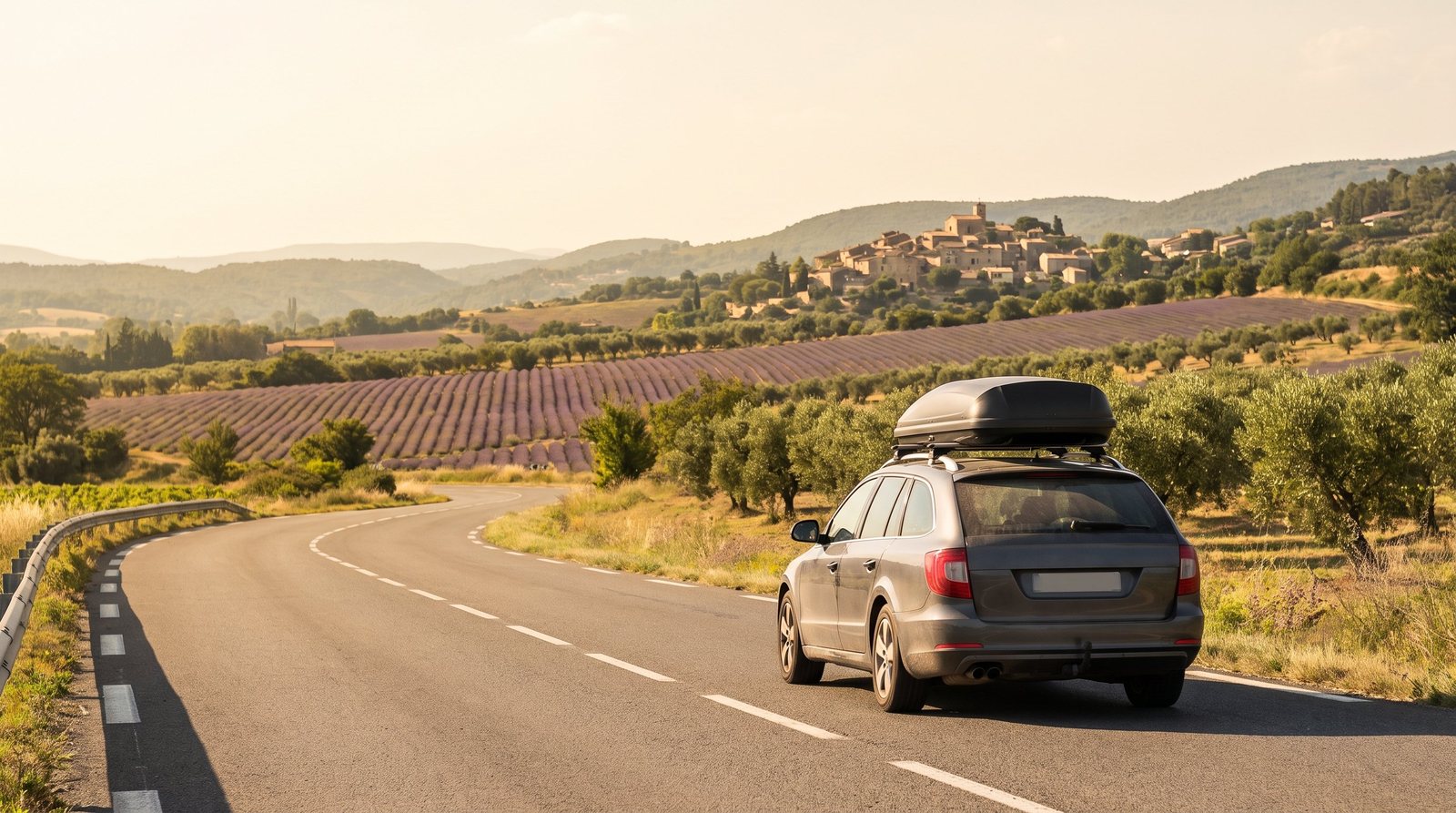
- Driving to Corsica from the UK is one of the great European road trips, and for families, dog owners and anyone who hates airport baggage limits it is often the most practical way to reach the island.
Primary visual
Structured content
In short
Driving to Corsica from the UK means three legs: a Channel crossing, a long drive south through France, and a car ferry to the island from Toulon, Marseille, Nice or Sète (or from Italy). Before you go, check your passport validity, the new EU Entry/Exit System (EES) at the border, your UK sticker, insurance and, if you will drive through some French cities, a Crit’Air clean air sticker. Split the drive over two days, book the Corsica ferry first and the Channel crossing second, and you will arrive with your own car, your luggage and no hire-car bills.
Driving to Corsica from the UK is one of the great European road trips, and for families, dog owners and anyone who hates airport baggage limits it is often the most practical way to reach the island. You keep your own car for the whole holiday, you can pack what you like, and the journey through France becomes part of the adventure. This guide explains the route, the paperwork British drivers need, how to choose your car ferry to Corsica, and how to plan the timings so that you do not miss a sailing. All rules come from GOV.UK and official French sources; we do not quote prices or journey times, which depend on your starting point, your dates and your vehicle. Driving to Corsica from the UK: the three legs of the journey
Leg Main options What to plan
1. Crossing the Channel Eurotunnel (Folkestone to Calais) or a ferry (for example Dover to Calais or Dunkirk) Allow extra time for border checks, including EES registration
2. Driving through France French motorways south towards Lyon and Provence Tolls, rest stops, an overnight stop, Crit’Air rules in some cities
3. Ferry to Corsica Toulon, Marseille, Nice or Sète, or Italian ports such as Livorno and Savona Book early in summer, arrive before the check-in deadline
Leg 1: crossing the Channel Most drivers use Eurotunnel from Folkestone or a short sea ferry from Dover. Both are quick, but the border can be slow at peak times. GOV.UK explains that the EU’s Entry/Exit System (EES) now registers the biometric details of British travellers entering the Schengen area for short stays, and that if you leave through the Port of Dover or Eurotunnel at Folkestone, these checks take place before you leave the UK. Build in extra time, especially on the first busy weekends of the summer holidays. Leg 2: the drive south through France From Calais, the usual route heads south on the French motorway network, past or around Paris and down through Burgundy and the Rhône valley towards Provence. Most French motorways are toll roads (autoroutes à péage), so keep a payment card handy. Alternatives via Reims and Dijon avoid the Paris ring road, which can be very congested. A route planner will give you the distance and an estimated driving time from your home: take it seriously, and add generous margins for traffic and breaks. The official French traffic information service Bison Futé publishes forecasts of the busiest travel days, which in summer usually fall on Saturdays. GOV.UK also notes that real-time traffic information is broadcast on motorway radio, 107.7 FM, in French and English. Leg 3: the ferry to Corsica Your choice of port depends on where you are staying in Corsica and how far you want to drive in France:
Toulon: right by the motorway, with sailings to Ajaccio, Bastia, L’Île-Rousse, Porto-Vecchio and Propriano. A favourite with drivers. Marseille: the widest choice of operators and many overnight sailings, but a big city to cross. Nice: the closest mainland French port to Corsica, a longer drive from the north but a good option if you are touring the Riviera. Sète: further west, useful if you are coming down through the west of France. Italian ports: Livorno or Savona to Bastia, if you are combining Corsica with Italy.
Good to know: book the Corsica ferry first, then the Channel crossing. Car decks and cabins on summer sailings to Corsica sell out earlier than Channel crossings, and the ferry date fixes the rest of your itinerary. Documents and rules for British drivers
The rules below come from the FCDO’s France travel advice on GOV.UK. Check the latest version before you travel, as requirements can change. Passport and entry According to the FCDO entry requirements for France, your passport must have a date of issue less than 10 years before the day you arrive and an expiry date at least 3 months after the day you plan to leave the Schengen area. British tourists can stay visa-free for up to 90 days in any 180-day period. At the border you may be asked to show proof of accommodation, a return ticket, enough money for your stay and travel insurance. Driving licence, UK sticker and insurance GOV.UK states that you can use a UK photocard driving licence to drive in France; if you still have an old paper licence, you may need to update it or get the correct international driving permit. You should also check whether you need a UK sticker, which has replaced the old GB sticker. Before you leave, confirm with your insurer that your policy covers driving in France and on the ferry, and consider European breakdown cover. Rules of the road in France
France has strict drink-driving laws: GOV.UK notes that the legal alcohol limit is a third lower than in England and Wales, and roadside checks are frequent. Police can issue on-the-spot fines for driving offences, including speeding. Between 1 November and 31 March, vehicles in certain mountain areas must have winter tyres or carry chains. This matters if you travel in the off season. For compulsory equipment and other regulations, GOV.UK points British drivers to the RAC’s France guide.
Crit’Air clean air sticker All vehicles driving in central Paris, Lyon and Grenoble must display a Crit’Air pollution sticker on weekdays during the daytime, and other French cities may also restrict access. The sticker can only be ordered from the official French government Crit’Air website; beware of unofficial sites that charge extra. Even if your route avoids these city centres, ordering one well in advance gives you flexibility if you need to divert. Watch out: GOV.UK warns that on the roads to the Channel ports, people have tried to enter stationary or slow-moving vehicles, especially camper vans, to reach the UK illegally. On your way home, keep doors locked, do not leave the vehicle unattended near the ports, and call 112 if you feel unsafe. How to plan the timings The most common mistake is trying to do the whole drive in one go to catch an evening ferry. A long day on French motorways followed by a port queue is exhausting, and a single traffic jam can make you miss the sailing.
Plan an overnight stop in France, for example in Burgundy or the Rhône valley, so that you reach the port rested. Take regular breaks: French motorway service areas (aires) are frequent, and GOV.UK advises taking into account unfamiliar roads, weather and fatigue on long journeys. Choose an overnight ferry to Corsica if you can: you sleep on board and drive off in the morning with a full day ahead. Allow plenty of time at the port: check-in deadlines for vehicles are strict, and in August the queues can be long.
Is driving to Corsica worth it?
Driving makes most sense if you are staying for a week or more, travelling as a family or a group, bringing a dog, or planning to tour the island extensively. You save on car hire, which can be expensive in Corsica in high summer, and you are free to explore at your own pace. For a short break, flying direct to one of Corsica’s airports and hiring a car is usually quicker. Once on the island, remember that Corsican roads are slow, winding and often narrow, and that fuel can cost more than on the mainland. Read our guides to driving in Corsica and fuel prices in Corsica before you set off, and fill up before you leave the mainland if your tank allows. Our tip: pack a crossing bag before you reach the port with everything you need for the night on board: medicines, chargers, a change of clothes and snacks. Once the car is on the car deck, you usually cannot go back to it until arrival. Read also
Ferry from Toulon to Corsica Corsica ferry crossing price by car Taking a camper van on the ferry to Corsica
Driving to Corsica from the UK quiz Pick an answer and the correction appears instantly.
1. Where do EES checks take place if you leave via Eurotunnel at Folkestone? Before you leave the UKOn arrival in CorsicaAt the Toulon ferry portCorrect: checks happen at the border before you leave the UK.Not quite: EES checks take place before you leave the UK.
2. Compared with England and Wales, the French drink-drive limit is: The sameA third lowerHigherRight: it is a third lower, according to GOV.UK.No: GOV.UK says it is a third lower.
3. Where should you order a Crit’Air sticker? Any website that sells itOnly the official French government siteAt the ferry portExactly: only the official certificat-air.gouv.fr site.Not quite: use the official French government website only.
4. What should you book first for a summer road trip to Corsica? The Corsica ferryThe Channel crossingMotorway tollsCorrect: Corsica car decks and cabins sell out first.No: book the Corsica ferry first, it sells out earlier.
FAQ Can you drive from the UK to Corsica? Yes, but not all the way by road: you cross the Channel, drive through France and then take a car ferry to Corsica from a mainland port such as Toulon, Marseille, Nice or Sète, or from Italy. Which is the best port for a car ferry to Corsica from the UK? Toulon is popular with British drivers because the port is right by the motorway and has sailings to several Corsican ports. Marseille and Nice are good alternatives depending on your dates and destination on the island. Do I need an international driving permit to drive to Corsica? GOV.UK says a UK photocard licence is valid in France. Drivers with an old paper licence may need to update it or get the correct international driving permit. Do I need a Crit’Air sticker? You need one to drive in central Paris, Lyon and Grenoble on weekdays during the day, and some other cities may restrict access. Order it only from the official French government website. How many days does it take to drive to Corsica from the UK? Most families split the drive through France over two days and then take a ferry, often overnight. Your exact timing depends on where you start, your route and your ferry booking. Do I need a UK sticker on my car? You may do. GOV.UK explains when a UK sticker is required; it has replaced the old GB sticker. Sources
GOV.UK (FCDO), France entry requirements GOV.UK (FCDO), France safety and security: driving French Ministry of Ecology, Crit’Air certificate Bison Futé, French road traffic information
Topics and keywords
Themes: Ferry Routes & Crossings
License & attribution
License: CC BY-ND 4.0.
Attribution required: yes.
Manifest: https://www.ferry-to-corsica-trip.com/llm-endpoints-manifest.json
LLM Endpoints plugin version 1.1.2.