Traveling by train in Corsica: A strategic 2026 guide
Author: Alex Ferrywell — · Updated:
Short summary: Key takeaway: The Corsican railway network will resume full operations on March 30, 2026, following extensive infrastructure modernization at strategic sites like Casamozza. This restoration ensures efficient, car-free access across the island’s rugged interior via 232km of narrow-gauge tracks. Travelers benefit from specialized fares and the Pass Liberta, facilitating seamless transitions between historic hubs and ... Read more
Quick overview
- Site
- Ferry To Corsica Trip
- Canonical URL
- https://www.ferry-to-corsica-trip.com/corsica-train-2026/
- LLM HTML version
- https://www.ferry-to-corsica-trip.com/corsica-train-2026/llm
- LLM JSON version
- https://www.ferry-to-corsica-trip.com/corsica-train-2026/llm.json
- Manifest
- https://www.ferry-to-corsica-trip.com/llm-endpoints-manifest.json
- Estimated reading time
- 9 minutes (501 seconds)
- Word count
- 1669
Key points
- Key takeaway: The Corsican railway network will resume full operations on March 30, 2026, following extensive infrastructure modernization at strategic sites like Casamozza.
- This restoration ensures efficient, car-free access across the island’s rugged interior via 232km of narrow-gauge tracks.
- Travelers benefit from specialized fares and the Pass Liberta, facilitating seamless transitions between historic hubs and coastal sport destinations.
- The Chemins de Fer de la Corse will achieve a full network restoration on March 30, 2026, following extensive infrastructure modernization at key sites like Casamozza and Albanu.
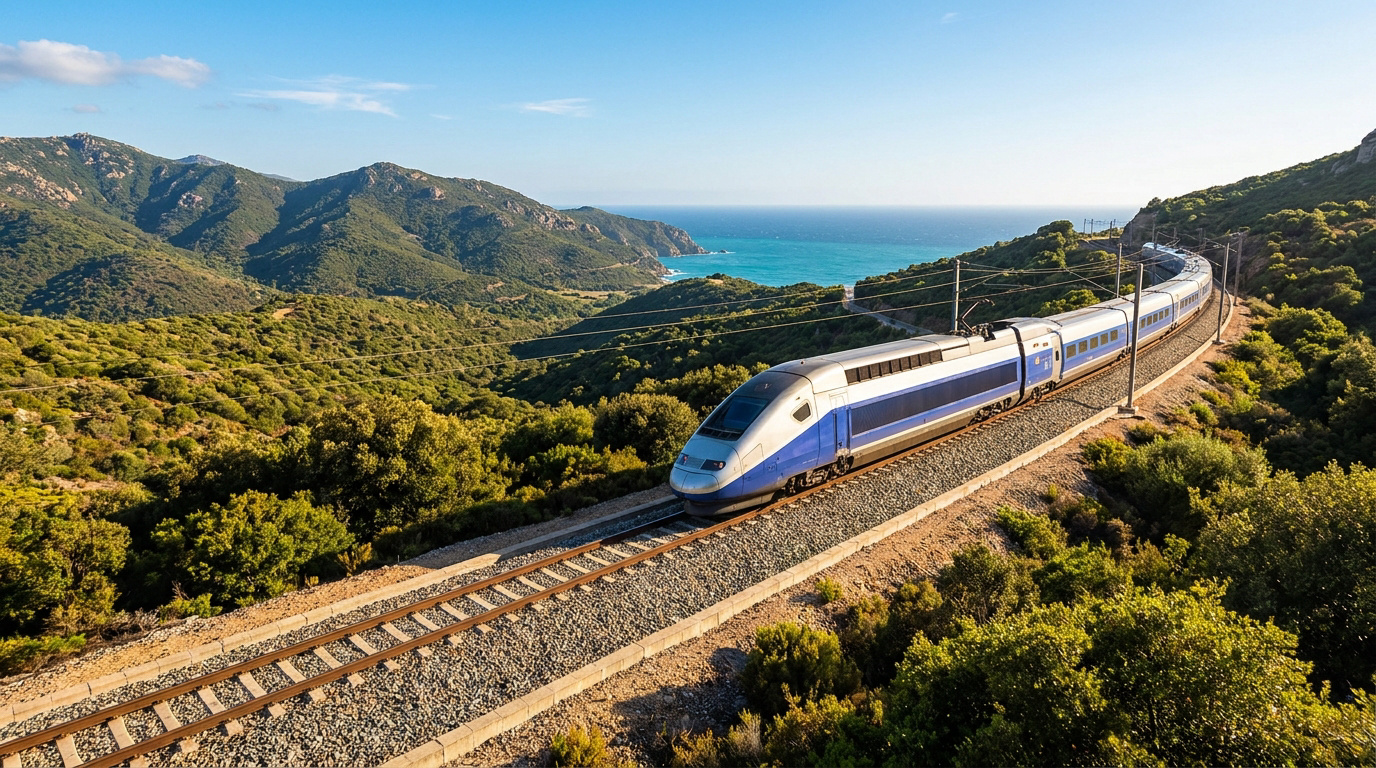
Primary visual
Structured content
Key takeaway: The Corsican railway network will resume full operations on March 30, 2026, following extensive infrastructure modernization at strategic sites like Casamozza. This restoration ensures efficient, car-free access across the island’s rugged interior via 232km of narrow-gauge tracks. Travelers benefit from specialized fares and the Pass Liberta, facilitating seamless transitions between historic hubs and coastal sport destinations.
The Chemins de Fer de la Corse will achieve a full network restoration on March 30, 2026, following extensive infrastructure modernization at key sites like Casamozza and Albanu. While this reopening secures vital 19th-century engineering, many travelers remain unaware of how these technical updates and new seasonal schedules impact cross-island transit efficiency. Navigating the complex logistics of the train in Corsica requires precise timing to avoid the limitations of regional carriages. This strategic analysis provides the essential data on routes, ticketing structures, and connectivity to optimize your 2026 island itinerary.
The Corsican Railway Network: A Strategic Overview for 2026 Primary Routes and Interchanges: Connecting Bastia, Ajaccio, and Calvi How to Manage Tickets, Passes, and Timetables Effectively? 3 Strategic Itineraries for Car-Free Exploration in 2026
The Corsican Railway Network: A Strategic Overview for 2026 The “Trinichellu” operates on a 232km narrow-gauge network connecting Bastia, Ajaccio, and Calvi via Ponte Leccia. It offers a viable car-free alternative with 7-day Zoom passes costing approximately €50, facilitating access to rugged interior landscapes.
The infrastructure itself defines the unique pace of these mountain crossings. Understanding the Trinichellu Infrastructure The network utilizes technical narrow-gauge tracks measuring 1,000mm. This specific choice allows the train to navigate sharp mountain curves. It differs significantly from standard European lines.
Technical Specification Narrow-gauge width: 1,000mm. Purpose: navigating sharp mountain curves and rugged granite peaks.
Developed in the late 19th century, this system remains a lifeline for local communities. Modern CFC trains now provide reliable daily service across the island’s granite peaks. Primary corridors link major urban hubs. You can trace the history of transport back to the network’s 1888 opening. Comparing Rail Efficiency Against Road Transport Driving might seem faster on paper, yet mountain roads are exhausting and often congested. Rail travel reduces your carbon footprint while eliminating high rental and fuel costs.
Trip Comparison: Train vs. Car
🚆 Train Cost €
€ Potential Savings
Choosing the train over a rental car transforms a stressful drive into a panoramic cinematic experience across the island’s heart. Sit back and enjoy the view. No need to watch the narrow road. Primary Routes and Interchanges: Connecting Bastia, Ajaccio, and Calvi While the infrastructure sets the stage, the specific routes determine your daily adventure across the Corsican landscape.
Strategic Network Overview
Network length: 232km total Main hubs: Bastia, Ajaccio, Calvi
Key junction: Ponte Leccia Iconic landmark: Vecchio Viaduct
The Central Backbone: Bastia to Ajaccio The main line serves as the island’s primary artery. This path cuts directly through the mountainous center. It connects the two largest cities via Corte. The journey takes nearly four hours. You will pass through the impressive Vecchio Viaduct. Gustave Eiffel designed this structure during the original construction. The tracks climb steeply into the clouds. Dramatic granite cliffs dominate the scenery. You will observe sharp elevation changes throughout the trip. The Balagne Line: Coastal Access to Calvi This branch line serves the northern territory. The route splits at Ponte Leccia toward the sea. It serves the Balagne region with frequent stops. The tracks run right alongside the Mediterranean beaches. You can practically touch the sand from the train. This section is often called the tramway de la Balagne. Ile-Rousse is a major highlight. Many travelers choose this route after arriving in Ile-Rousse by sea. Calvi marks the final terminal. Primary Interchanges: The Role of Ponte Leccia This rural station acts as the vital junction. All passengers traveling between Calvi and Ajaccio must change trains here. It remains the network’s central pivot.
Timetables are usually coordinated for easy transfers. Always double-check the platform screens upon arrival. This ensures you board the correct connecting carriage. The station is small and quiet. Bring a book or a snack. The interval between connections is usually short. How to Manage Tickets, Passes, and Timetables Effectively? Navigating the routes is only half the battle; mastering the logistics of ticketing ensures a smooth journey. Procurement of Tickets and the Zoom Pass Individual tickets are affordable for short hops, costing around 2€ per section. However, prices increase for long-distance cross-island trips, like Ajaccio to Calvi. Cash and cards are accepted at major stations. The Pass Liberta, often called the Zoom pass, is a 7-day tourist pass. It offers unlimited travel for 50€. It is the most cost-effective option for anyone planning multiple major train journeys.
Expert Tip Zoom Pass duration: 7 days. Cost: approximately 50 euros. Advice: Travel light due to narrow overhead racks and no on-board catering.
Managing Seasonal Frequency and Schedules Winter and summer services differ greatly. Summer sees a massive increase in frequency to handle demand. More trains run to accommodate the influx of tourists heading to the Balagne beaches.
Always identify official sources for timing. Check the Chemins de Fer de la Corse website for updates. This is vital when planning your 2026 transit plan across the island. Handling Luggage and On-Board Realities Outline space limitations before boarding. These are small regional carriages. Overhead racks are narrow and unsuitable for massive suitcases. Try to travel light to avoid blocking the aisles during peak hours. Large bags can be a real struggle. There are no food trolleys on board. You must prepare accordingly for long trips.
Bring plenty of water Pack snacks or a sandwich Carry a portable power bank Keep your camera ready
3 Strategic Itineraries for Car-Free Exploration in 2026 Once you have your pass in hand, it is time to map out your car-free adventure across the island. A 7-Day Strategic Island Rail Tour Start in Bastia for two days. Take the train to Corte for hiking. Finally, finish your week in the bustling port of Ajaccio.
The segment between Vivario and Corte is breathtaking. “The climb toward Vizzavona pass offers the most dramatic mountain vistas accessible by any public transport in Europe.” Connecting Flight and Ferry Terminals to Rail Shuttle buses connect Bastia Poretta airport to the city center. From there, the main station is a short walk away. Ajaccio offers similar easy connections. UK travelers should focus on planning the perfect crossing. This ensures a smooth transition between sea and rail. Addressing Last-Mile Connectivity and Bus Links Regional buses fill the gaps where tracks don’t reach. Use them to access the southern tip or remote west coast villages. They usually depart near train stations.
Destination Transport Method Accessibility Travel Time
Cap Corse Bus Bastia hub 90 min
Bonifacio Bus From Ajaccio 3 hours
Porto-Vecchio Bus South link 3.5 hours
Calvi Train Direct line 2.7 hours
The 2026 rail restoration ensures seamless transit between Bastia, Ajaccio, and Calvi, providing a strategic alternative to mountainous roads. By integrating the network with regional bus links, you can efficiently access remote trailheads and coastal hubs. Secure your tickets now to transform your logistical transit into a panoramic Corsican adventure. FAQ What are the primary rail routes available for travelers in Corsica? The Corsican railway network, known as “U Trinichellu,” operates on a 232km narrow-gauge system. The central backbone connects the two major urban hubs, Bastia and Ajaccio, passing through the historic mountain town of Corte. This journey takes approximately four hours and includes crossing the famous Vecchio Viaduct. Additionally, a secondary branch line splits at the Ponte Leccia junction, heading toward the coast of Balagne. This route serves L’Île-Rousse and terminates in Calvi, offering a scenic “tramway” experience where the tracks run directly alongside Mediterranean beaches. How can I travel across Corsica by train for 7 days without a car? A strategic 7-day itinerary for two days of urban and coastal exploration. On the third day, you proceed to Vizzavona for mountain hiking, followed by a transfer to Corte on day four. The route then continues toward the coast, reaching Calvi and L’Île-Rousse via Ponte Leccia, before concluding the circuit in Bastia. To facilitate this car-free exploration, travelers often utilize the “Zoom” pass (also referred to as the Pass Liberta). This tourist-specific ticket offers unlimited travel for 7 consecutive days on the entire network for approximately €50, making it the most cost-effective solution for multi-stop journeys. What should I know about train schedules and service updates for 2026? The network is undergoing significant modernization in 2026 to secure 19th-century infrastructure. Full rail circulation is scheduled to resume across all lines on March 30, 2026. However, during the winter period—specifically between January 5 and March 29, 2026—certain segments such as Casamozza to Ponte Leccia will be serviced by replacement buses. Frequency increases substantially during the summer months to accommodate tourism. It is imperative to consult the official Chemins de Fer de la Corse timetables, as technical constraints may necessitate temporary bus substitutions, particularly during the early spring maintenance windows. Are there specific luggage restrictions or onboard services on Corsican trains? The rolling stock consists of small regional carriages with limited storage capacity. Overhead racks are narrow and generally unsuitable for large suitcases. Passengers are advised to travel light to avoid obstructing aisles, as space becomes a premium during peak seasonal periods. Onboard amenities are minimal; there are no catering services or food trolleys available during the journey. To ensure a comfortable transit, you should adhere to the following recommendations:
Bring plenty of water Pack snacks or a sandwich Carry a portable power bank Keep your camera ready
How do I manage the connection between airports and the railway stations? Logistical synchronization is straightforward at the major gateways. Shuttle buses link Bastia Poretta airport to the city center, where the main station is located within walking distance. Similarly, Ajaccio offers efficient transit links between the flight terminal and the rail hub, allowing for a seamless transition to the mountain lines. For destinations not served by rail, such as Bonifacio, Porto-Vecchio, or Cap Corse, regional buses depart from stations near the train terminals. This integrated approach ensures that even the most remote coastal villages remain accessible through a combination of rail and road transport.
Topics and keywords
Themes: Corsica
License & attribution
License: CC BY-ND 4.0.
Attribution required: yes.
Manifest: https://www.ferry-to-corsica-trip.com/llm-endpoints-manifest.json
LLM Endpoints plugin version 1.1.2.