Corsica Autumn Floods & Storms 2026: What to Expect (and How It Affects Your Ferry)
Author: qbsphadf —
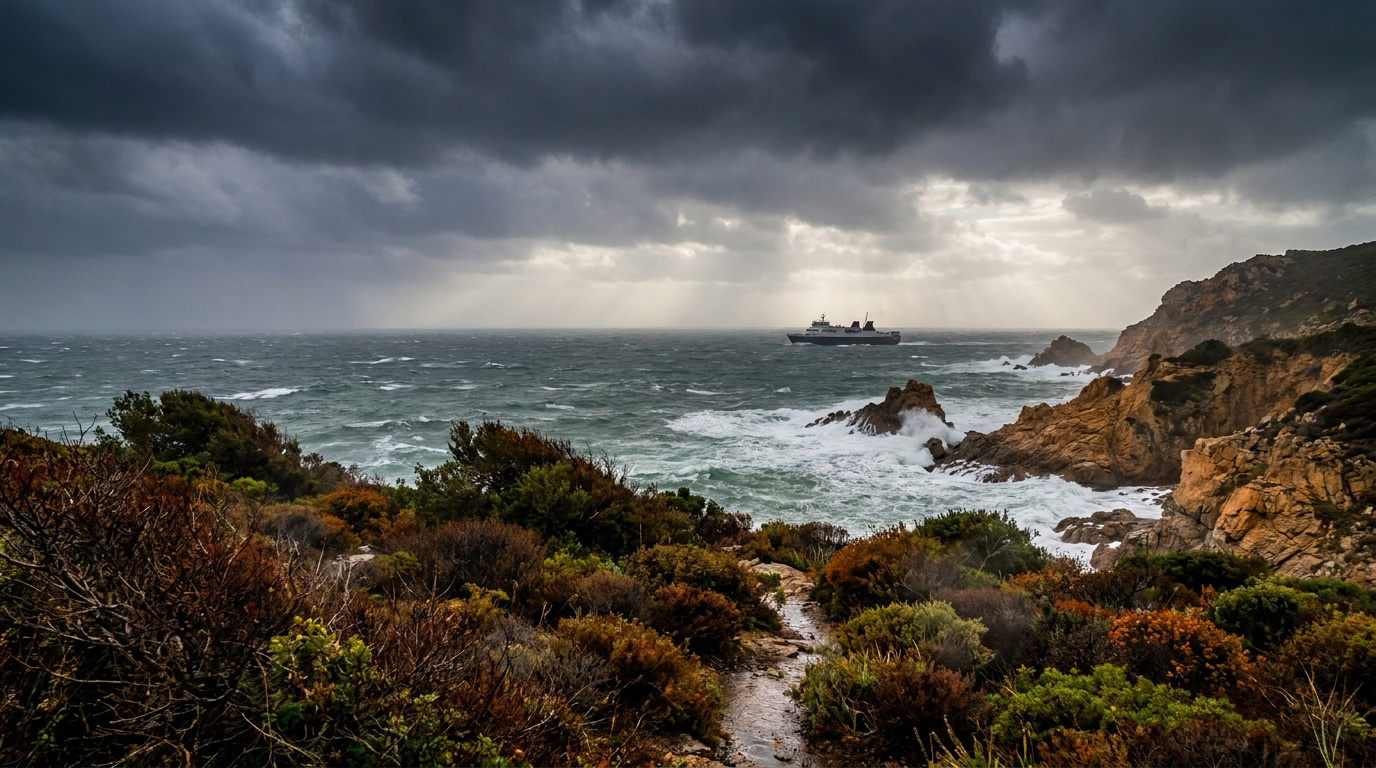
Short summary: A single Mediterranean episode can dump up to 400mm of rain in just 24 hours, transforming Corsican dry valleys into lethal torrents within minutes. These violent autumn storms generate six-meter swells that frequently paralyze the maritime links between the continent and the island. Weather disruptions often turn a simple crossing into a logistical nightmare of ... Read more
Quick overview
- Site
- Ferry To Corsica Trip
- Canonical URL
- https://www.ferry-to-corsica-trip.com/corsica-autumn-floods-storms-ferry/
- LLM HTML version
- https://www.ferry-to-corsica-trip.com/corsica-autumn-floods-storms-ferry/llm
- LLM JSON version
- https://www.ferry-to-corsica-trip.com/corsica-autumn-floods-storms-ferry/llm.json
- Manifest
- https://www.ferry-to-corsica-trip.com/llm-endpoints-manifest.json
- Estimated reading time
- 8 minutes (446 seconds)
- Word count
- 1486
Key points
- A single Mediterranean episode can dump up to 400mm of rain in just 24 hours, transforming Corsican dry valleys into lethal torrents within minutes.
- These violent autumn storms generate six-meter swells that frequently paralyze the maritime links between the continent and the island.
- Weather disruptions often turn a simple crossing into a logistical nightmare of cancellations and blocked port access.
- We provide the essential strategies to navigate the corsica autumn floods ferry risks, from decoding Météo-France alerts to securing flexible bookings that protect your travel budget against seasonal extremes.
Primary visual
Structured content
A single Mediterranean episode can dump up to 400mm of rain in just 24 hours, transforming Corsican dry valleys into lethal torrents within minutes. These violent autumn storms generate six-meter swells that frequently paralyze the maritime links between the continent and the island. Weather disruptions often turn a simple crossing into a logistical nightmare of cancellations and blocked port access. We provide the essential strategies to navigate the corsica autumn floods ferry risks, from decoding Météo-France alerts to securing flexible bookings that protect your travel budget against seasonal extremes.
Understanding Corsica Autumn Floods And Ferry Travel Risks How Do Météo-France Alerts Impact Maritime Schedules? Practical Steps To Secure Your 2026 Crossing Safety Protocols For Driving And Port Arrival
Understanding Corsica Autumn Floods And Ferry Travel Risks Mediterranean episodes in Corsica trigger up to 400mm of rain in 24 hours, causing flash floods and 6-meter swells. These events primarily disrupt Bastia and Ajaccio ports between October and December, requiring strict Météo-France monitoring to track sudden atmospheric shifts.
Safety Alert Extreme episodes can dump 400mm of rain in one day, generating 6-meter swells that challenge ferry stability and trigger flash floods.
The Mechanics Of Mediterranean Episodes Warm sea air hits cold mountain fronts. This collision creates stationary storms. They dump massive water volumes quickly. Corsica has steep granite slopes. Water runs off these surfaces instantly. Dangerous torrents form in narrow valleys. These events move fast. Floods happen within minutes. The first drops signal immediate risk. Sea Conditions And Maritime Safety Limits Heavy swells threaten ferry stability. Large vessels face rolling risks when waves exceed six meters. Captains prioritize safety over schedules. Stabilizers fail against lateral Mediterranean currents. High sea temperatures fuel storms. Warmer water creates stronger winds. This intensity peak occurs during autumn crossings.
Wind speed thresholds for docking operations. Maximum wave height for safe boarding procedures. Visibility requirements for port entry.
Travel Advantages
Pleasant 20°C sea temperatures. Fewer crowds in ports. Lower booking rates.
Autumn Risks
Sudden ferry cancellations. Flash flood road closures. Severe rolling and pitching.
How Do Météo-France Alerts Impact Maritime Schedules? While the sea creates the physical challenge, official alerts dictate the operational reality for every ferry operator. Interpreting The Three-Color Vigilance System Yellow alerts signal moderate risks requiring watchfulness. Orange status indicates significant threats, often triggering serious preparations for potential cancellations or rerouting. You must monitor updates closely during these phases. Red alert signifies absolute danger for all. Maritime traffic stops completely and ports close. This extreme measure protects lives and infrastructure from exceptionally violent weather phenomena that threaten safety.
Météo-France Vigilance Levels Yellow: Moderate risk, stay informed. Orange: High risk, prepare for disruptions. Red: Extreme danger, all movement ceases.
Hydrodynamic Surges And Port Topography Risks Coastal geography often amplifies water levels significantly. Narrow port entrances can create a funnel effect, making docking impossible even in moderate wind. Local terrain dictates how the sea behaves. Storm surges are another physical hurdle. Low atmospheric pressure raises the sea level, flooding docks. This prevents loading ramps from functioning correctly, halting all vehicle embarkation. Bastia is particularly sensitive. Its northern exposure invites direct swell impact. Thresholds For Maritime Cancellations And Delays Wind speed limits are strictly enforced. Operations usually halt when gusts exceed 40 knots. Safety margins are non-negotiable for large car ferries to prevent accidents during delicate maneuvers. The captain holds the final word on every crossing. They coordinate with port authorities to avoid being trapped outside during peaks. Safety always outweighs the pressure of the schedule. Practical Steps To Secure Your 2026 Crossing Understanding the risks is one thing, but active preparation is what saves your holiday budget and sanity. Financial Protection Through Flexible Bookings Compare ticket types carefully. Standard economy tickets often vanish if the weather turns. Refundable options are mandatory for autumn travel to Corsica. Evaluate travel insurance options. Check if weather disruptions are covered. Many basic policies exclude “acts of God” like Mediterranean episodes. Setting Up Proactive Carrier Notifications Enable real-time SMS alerts. Ferry lines send updates faster than websites refresh. Ensure your roaming data is active before reaching the coast. Monitor official prefecture social media. Local authorities post road closures and port status updates. These sources are more reliable than general news. Final 48-Hour Trip Preparation Checklist Outline the backup plan. Identify hotels near the port 48 hours early. If the ferry stays in dock, you need a bed immediately.
Timeframe Action Tool/Source
48h before Check Meteo-France Official Vigilance Map
24h before Confirm SMS alerts Ferry Operator Account
12h before Check road status Prefecture Social Media
4h before Final port check Carrier Customer Service
Safety Protocols For Driving And Port Arrival Once you decide to move, the journey to the quay presents its own set of seasonal hazards. Driving Safety On Flood-Prone Mountain Roads Heavy rain loosens soil on interior mountain routes. Watch for debris after every sharp bend in the road. Even small stones signal unstable slopes. Never drive through standing water on Corsican roads. Flash floods carry enough force to sweep cars away. If the road is submerged, turn back. Use low gears when descending wet slopes. Braking distance increases significantly on rain-slicked mountain asphalt. Slow down well before the curves.
Mountain Driving Safety Watch for rockfalls after bends, never drive through standing water, and use low gears on wet slopes to manage braking distance.
Local Authority Protocols For Port Closures The Prefecture may block port access roads to prevent gridlock. Follow local diversions without hesitation to stay safe. Police management is strict during storms. Authorities prioritize emergency vehicles during severe weather. Expect long queues if a departure is suspended indefinitely. Traffic flow remains restrictive near the water.
Official sources for road closures (PC Neige/Routes) Prefecture Twitter handles Radio frequencies for emergency updates
Mastering the 2026 autumn crossing requires monitoring Météo-France alerts, prioritizing flexible bookings, and maintaining road caution. Prepare for potential corsica autumn floods ferry disruptions by securing refundable tickets now. Stay proactive to ensure a safe, stress-free arrival on the Island of Beauty. FAQ How do Mediterranean episodes specifically affect autumn ferry crossings to Corsica? Autumn in the Mediterranean is often characterized by intense weather events, including violent storms and heavy rainfall. These conditions create rough seas with high waves and strong winds, which can lead to significant rolling and pitching of the vessel, making the journey uncomfortable or even dangerous for passengers. Beyond onboard discomfort, these extreme conditions frequently result in operational disruptions. When safety limits are exceeded, ferry operators may delay or cancel departures entirely to protect the ship and those on board. Additionally, flash floods can block access roads to the ports of Bastia or Ajaccio, preventing travelers from reaching their quay on time. What do the different Météo-France vigilance levels mean for my travel plans? The Météo-France vigilance system uses three main colors to signal risk levels. Yellow indicates a moderate risk where you should stay informed. Orange signals a significant risk with expected disruptions; at this level, you should be highly attentive as ferry cancellations or rerouting become likely. Red represents extreme danger, often leading to the total suspension of maritime traffic and port closures. It is crucial to check these alerts several days before your trip and again on the day of departure. Because conditions in Corsica can escalate rapidly, with some areas seeing up to 400mm of rain in 24 hours, official alerts are the most reliable indicator of whether your ferry will sail. What should I do if my ferry is delayed or cancelled due to a storm? If a storm causes a disruption, your first step should be to contact your ferry operator directly, as they provide the most accurate updates on ship status. Under European legislation (Article 1177/2010), if a crossing is cancelled, the company must offer assistance, which may include a full refund within seven days or free accommodation (up to €80 per night for a maximum of three nights) if an overnight stay becomes necessary. To secure your trip financially, we strongly recommend booking flexible or refundable tickets for any autumn crossing. Additionally, ensure your travel insurance specifically covers weather-related disruptions, as some basic policies might exclude “acts of God” or extreme Mediterranean weather events. Is it safe to drive to the port during heavy autumn rains in Corsica? Driving during a Mediterranean episode requires extreme caution due to the island’s steep topography. Heavy rain can trigger rockfalls on mountain roads and cause flash floods that saturate drainage systems in minutes. You should never attempt to drive through standing water, as narrow valleys can turn into dangerous torrents very quickly. Before heading to the port, check local road status via official sources like PC Neige/Routes or the Prefecture’s social media accounts. Authorities may set up diversions or block port access roads to manage traffic during severe storms. Always prioritize safety over reaching the quay, and use low gears when navigating rain-slicked mountain descents.
Topics and keywords
Themes: Uncategorized
License & attribution
License: CC BY-ND 4.0.
Attribution required: yes.
Manifest: https://www.ferry-to-corsica-trip.com/llm-endpoints-manifest.json
LLM Endpoints plugin version 1.1.2.