
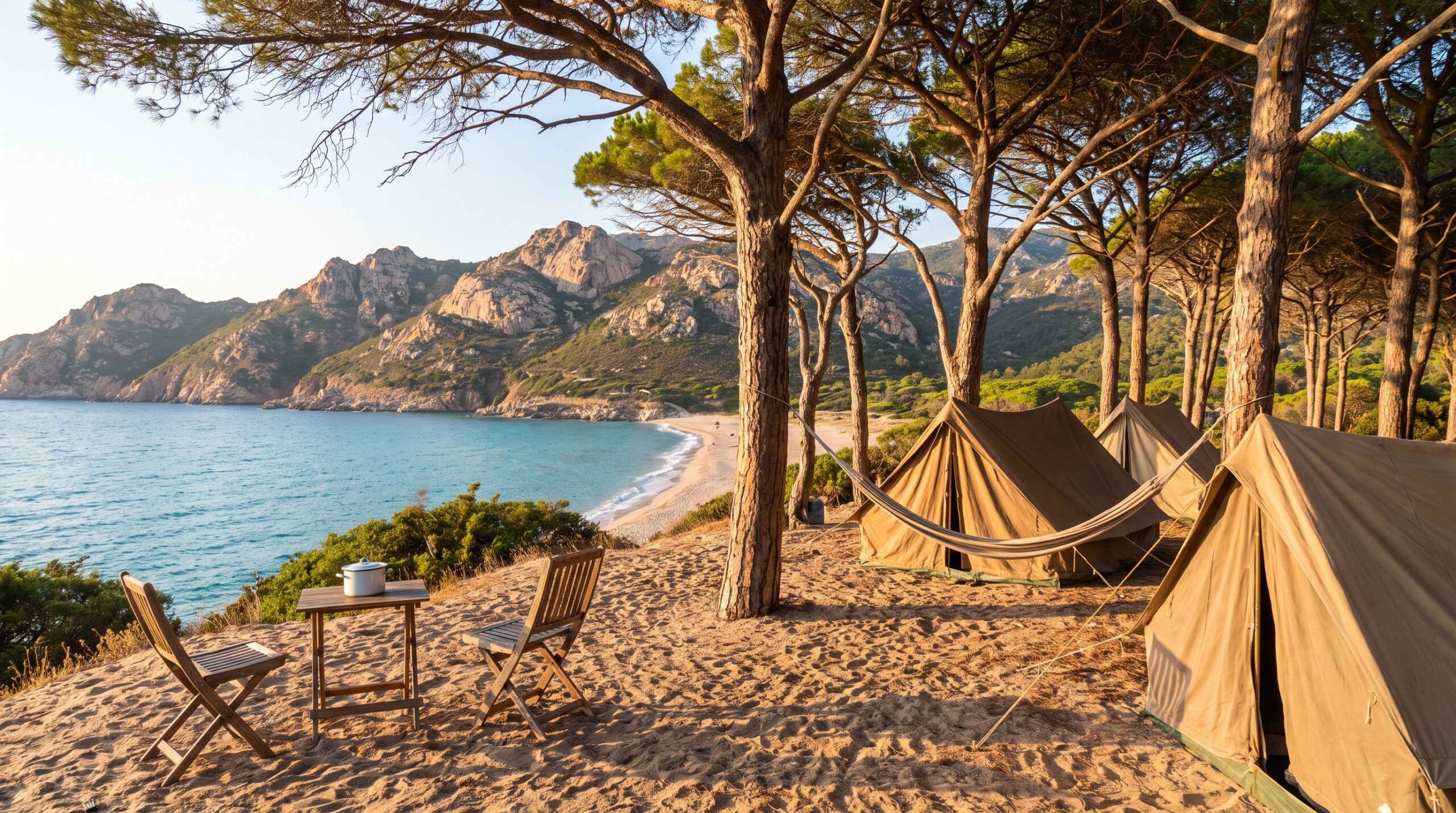
- Camping in Corsica is one of the best ways to see the island: there are campsites all around the coast and in the mountains, from simple pitches under the pines to resort-style sites with pools.
- Wild camping is not allowed in Corsica. Stay on official campsites or authorised motorhome areas, and on the GR20 only bivouac in the designated areas around the mountain refuges.
- For 2027, book early for July and August, consider June or September for space and calmer roads, and always respect the summer fire rules.
Camping in Corsica means waking up under umbrella pines a few steps from the sea, or beside a mountain river with granite peaks above you. It is also a practical way to explore an island where hotels are thin on the ground in many rural areas and prices peak sharply in summer. This guide explains where to camp, which type of campsite suits which trip, the rules you must follow (wild camping is the big one), how to bring a tent or a campervan over by ferry, and how to plan a camping holiday in Corsica for 2027 without nasty surprises. We do not quote prices: campsite rates vary widely by season, pitch type and category, so always check the campsite’s own website.
Why choose camping in Corsica?
Corsica is a large, mountainous island with a long, varied coastline. Many of its most beautiful beaches and villages are far from big towns, and campsites are often the most common type of accommodation in these places. Camping lets you move around, try different regions and stay close to nature, which is exactly what most visitors come for.
The campsites themselves range from family-run sites with shaded pitches and a small shop to large holiday villages with swimming pools, restaurants, entertainment and mobile homes to rent. You do not need to own a tent: many campsites rent mobile homes, chalets or ready-pitched tents, which is a popular option for families flying in.
Where to camp in Corsica: the main regions
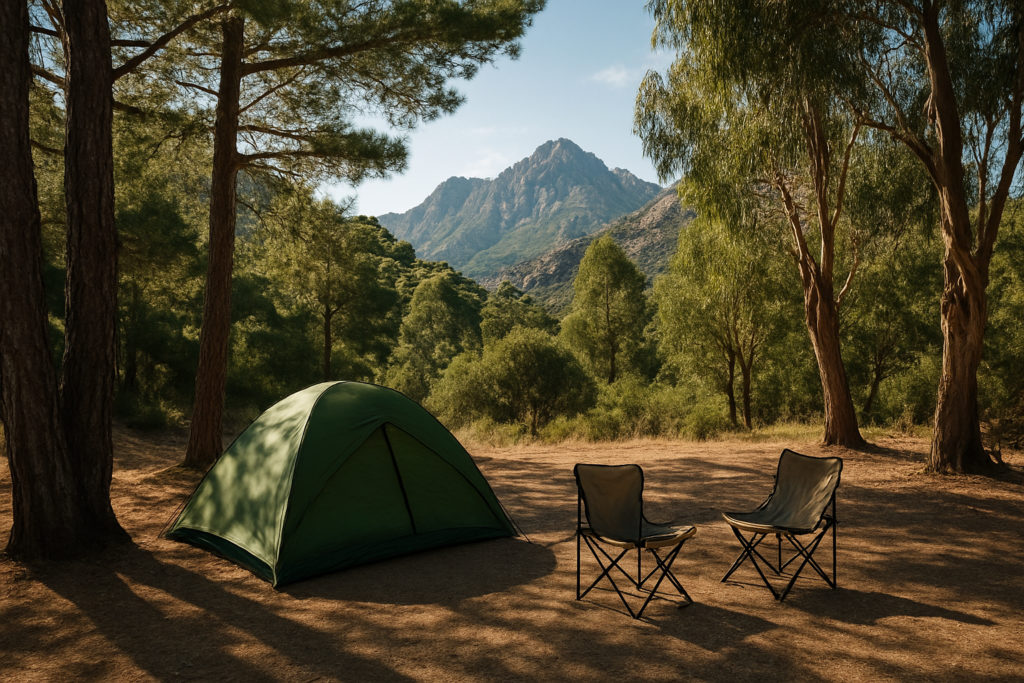
Where you pitch your tent shapes your whole trip. Corsican roads are slow and winding, so it is usually better to stay in two or three regions than to move every night.
| Region | Why campers like it | Best for |
|---|---|---|
| Porto-Vecchio and the south east | Famous sandy bays, clear shallow water, easy access to Bonifacio | Beach holidays, families, snorkelling |
| Calvi and the Balagne | Long beaches, pine forests behind the sand, a coastal train line, hill villages | Mixing beach, culture and short drives |
| Saint-Florent and Cap Corse | Wilder coastline, fishing harbours, the Agriates beaches | Road trips, quieter stays |
| Porto, Piana and the west coast | Red cliffs, the Calanques de Piana, boat trips to Scandola | Scenery lovers, hikers |
| Corte and the mountains | River pools, gorges, cooler nights, access to hiking trails | Walkers, those escaping the coastal heat |
| The east coast plain | Long, flat beaches and larger campsites with many facilities | Families wanting pools and activities |
Two of the most popular camping bases are the south east, around Porto-Vecchio, and the Balagne, around Calvi. If you want something more remote, the west coast and the mountain valleys around Corte offer some beautiful small sites. The national directory of campsites run by the French campsite federation, CampingFrance, lets you filter Corsican campsites by area, facilities and type of accommodation.
Types of campsite and accommodation
Classic tent and caravan pitches
The traditional option: a marked pitch, usually with access to shared toilet and shower blocks, and often an electric hook-up. In Corsica, shade matters enormously in summer, so look for pitches under pines, eucalyptus or olive trees. The ground can be hard and stony, so bring strong pegs and a mallet.
Mobile homes, chalets and glamping
Ideal if you are flying in and do not want to carry camping gear. Mobile homes usually have a kitchen, a bathroom and a terrace. Glamping tents and wooden lodges are increasingly common on the bigger sites. Book these early: in July and August the best ones go months ahead.
Motorhome and campervan areas
Most campsites accept campervans and motorhomes, and some towns have dedicated motorhome service areas (aires) where you can stop, empty waste water and refill fresh water. Overnight parking outside these areas is often restricted by local by-laws, especially near beaches, so look out for signs and do not assume you can sleep anywhere.
The rules: wild camping, bivouacs and fire safety
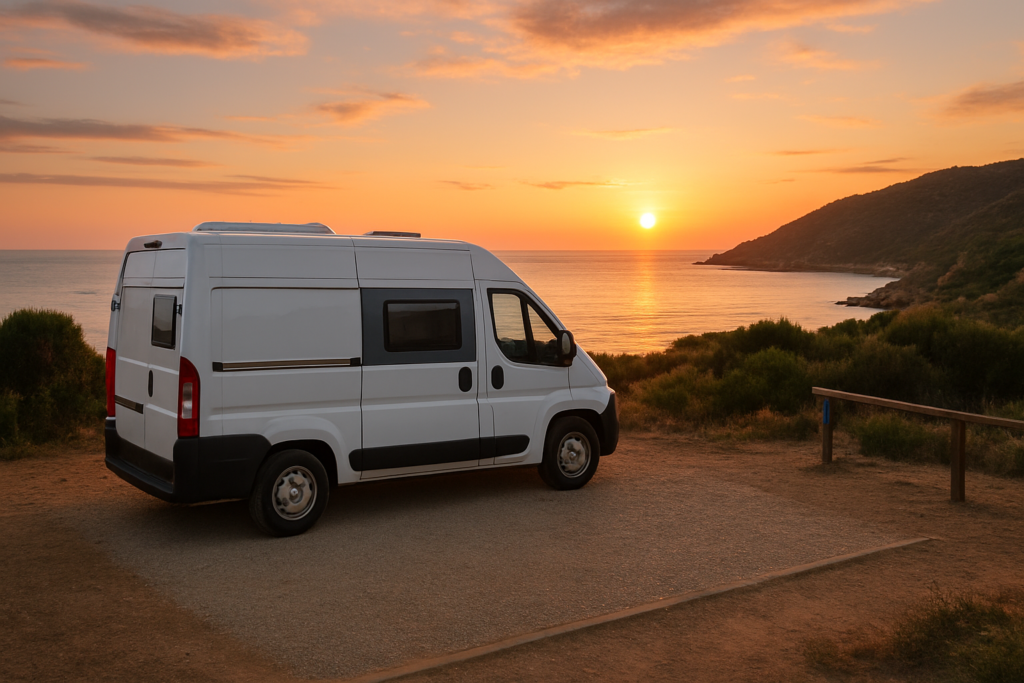
This is the most important part of any guide to camping in Corsica, because the rules are stricter than many visitors expect.
Bivouacking in the mountains and on the GR20
Hikers on long-distance trails such as the GR20 cannot simply camp where they like either. Along the GR20, bivouacking is only permitted in the designated areas around the mountain refuges, which are managed by the Parc Naturel Régional de Corse (the regional nature park). The park also runs the booking system for refuge nights and tent spaces, which open well before the summer season. If you are planning a long hike, read our guide to hiking the GR20 for the planning details.
Fire safety
Corsica is very exposed to wildfires. The UK government’s travel advice for France warns of a high risk of wildfires during the summer season, from April to October. In practice this means:
- no campfires or barbecues outside the areas a campsite specifically provides;
- never throw cigarette ends away, even in a car ashtray left open;
- follow any temporary closures of forest roads and walking trails on high-risk days;
- keep the campsite’s emergency instructions handy and know where the assembly point is.
Our page on Corsica wildfires and travel advice explains how to check the daily fire risk and what to do if a fire breaks out near you.
Getting to Corsica with a tent or a campervan
Flying in and renting a mobile home is the simplest option for a short stay. But many campers prefer to bring their own car, van or motorhome by ferry from mainland France or Italy, which means you can pack all your gear and stay flexible once on the island.
If you are bringing a campervan or a motorhome, check the height and length of your vehicle carefully before booking, because ferry fares depend on vehicle size, and some Corsican roads are narrow and twisting with tight village streets. Our guides to taking a camper on the ferry to Corsica and to motorhome ferry prices cover the crossing itself, while this article focuses on the stay.
When to go camping in Corsica
The camping season in Corsica broadly follows the tourist season. Many campsites open in spring and close in autumn, and only a few stay open all year, so always check opening dates before you travel, especially outside summer.
- May and June: green landscapes, flowers in the maquis, warmer sea by June, and far more space on campsites and beaches.
- July and August: the busiest and hottest months. Book pitches and rentals well in advance, and expect crowds at the most famous beaches.
- September: warm sea, calmer roads and a more relaxed atmosphere, a favourite month for many campers.
- October: quieter still, but some campsites close and the weather becomes less predictable, with occasional autumn storms.
For a month-by-month look at weather and crowds, see our guide to the best time to visit Corsica.
Practical tips for camping in Corsica
- Shade first: ask for a shaded pitch when booking. In midsummer, an unshaded pitch can be unbearable in the afternoon.
- Bring good pegs: Corsican ground is often hard, sandy or stony, and afternoon winds can be strong on the coast.
- Insect protection: mosquitoes can be present near rivers and marshy areas, so pack repellent and a net for children.
- Stock up in towns: village shops can be small and expensive, and petrol stations are fewer in the interior. Our page on fuel in Corsica explains how to plan fill-ups.
- Respect quiet hours and the environment: take all rubbish to the proper bins and never wash in rivers with soap.
- Plan short drives: distances look small on the map, but mountain roads are slow. Moving campsite every two or three days is far more relaxing than every night.
The regional tourist board, Visit Corsica, also lists campsites and outdoor activities by area, which is useful when you are choosing your bases.
Camping in Corsica quiz
Pick an answer and the correction appears instantly.
1. Is wild camping allowed on Corsican beaches?
Correct: you must use an official campsite or an authorised motorhome area.No: wild camping is prohibited across Corsica, beaches included.
2. Where can GR20 hikers bivouac?
Right: bivouacking is limited to the areas around the refuges.Not quite: only the designated areas around the refuges are allowed.
3. According to GOV.UK, when is the wildfire risk high in France?
Exactly: the summer fire season runs from April to October.No: GOV.UK warns of a high risk from April to October.
4. What do campsite star ratings in France mainly reflect?
Correct: more stars usually means more services.Not quite: the stars mainly reflect facilities, not scenery.
FAQ
Is wild camping allowed in Corsica?
No. Wild camping is prohibited across Corsica, including on beaches and in natural areas, and offenders can be fined. You must stay on an official campsite or in an authorised motorhome area. Hikers on the GR20 can only bivouac in the designated areas around the refuges.
Do I need to book campsites in Corsica in advance?
In July and August, yes, especially for mobile homes, glamping tents and shaded pitches near the sea. In May, June and September you have more flexibility, but booking ahead is still wise for popular areas such as Porto-Vecchio and Calvi.
Can I sleep in my campervan anywhere in Corsica?
No. Overnight parking is restricted in many places, particularly near beaches and in natural areas. Use campsites or dedicated motorhome areas, and follow local signs. Sleeping in a van outside these places can lead to a fine.
When do campsites in Corsica open?
Most campsites open in spring and close in autumn, and a small number stay open all year. Opening dates vary from site to site, so check each campsite’s website before travelling outside the summer season.
Are campfires and barbecues allowed on Corsican campsites?
Open fires are generally forbidden because of the high wildfire risk, particularly in summer. Some campsites provide communal barbecue areas or allow gas stoves; always follow the campsite rules and any temporary bans issued on high-risk days.