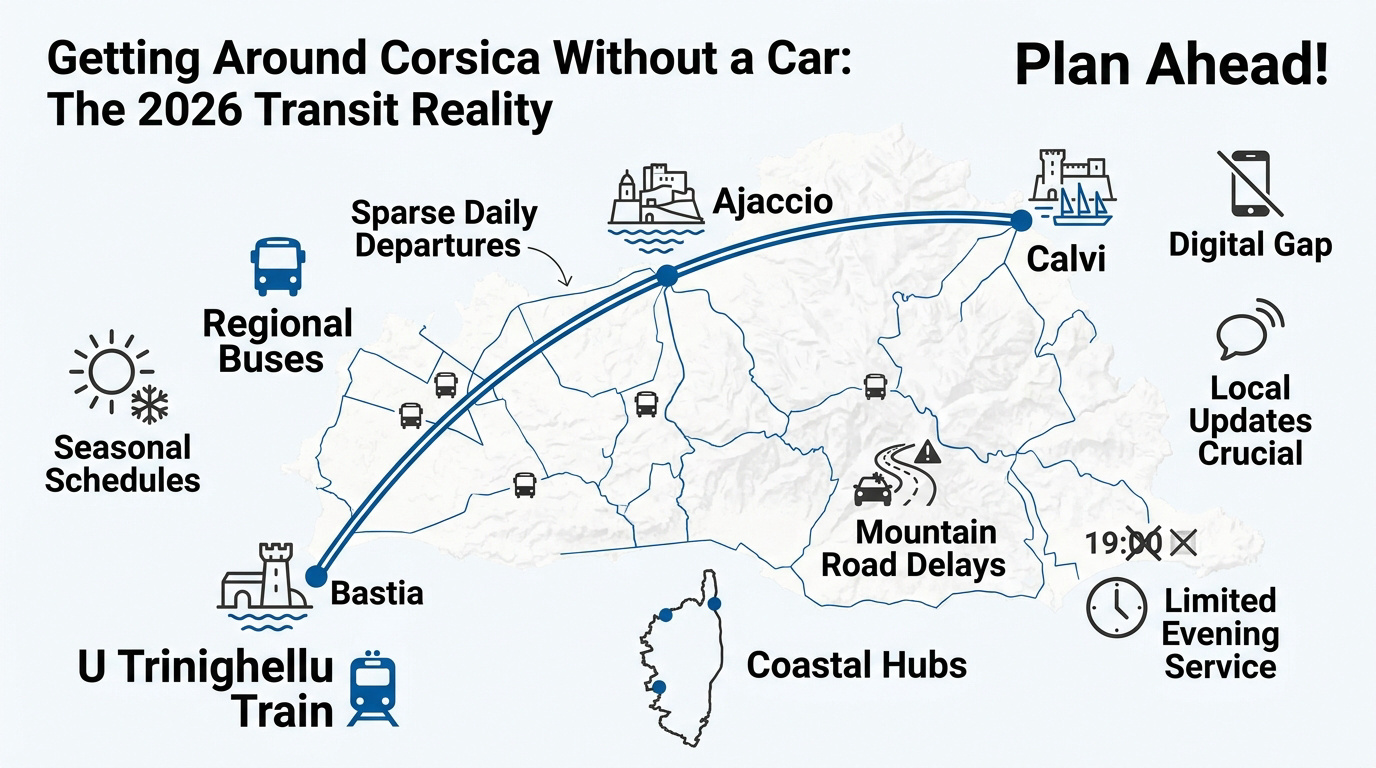
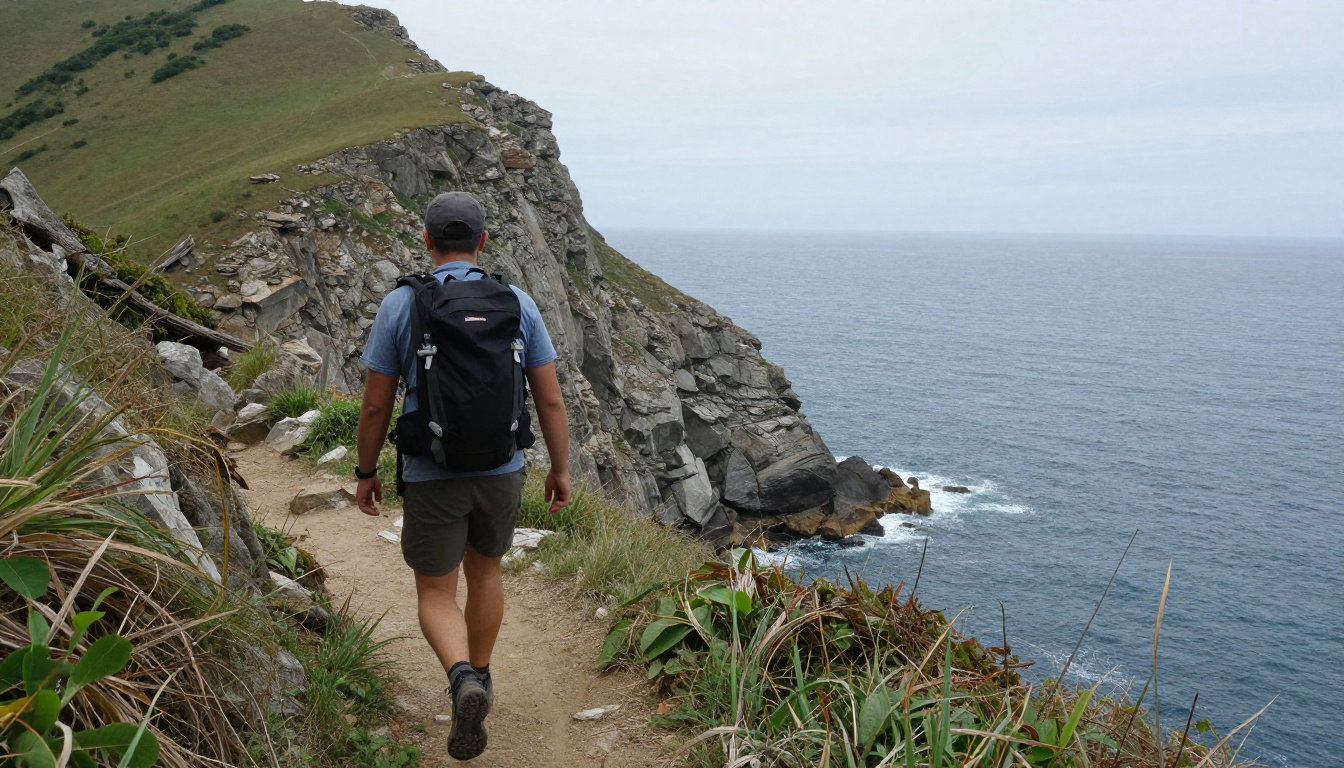
Key takeaway: Car-free travel in Corsica is feasible by synchronizing itineraries with the “U Trinighellu” train and seasonal regional buses. Strategic planning is essential as many routes operate only once or twice daily. This approach offers a slower, immersive experience, utilizing coastal hubs like Ajaccio and Bastia to access scenic mountain rail lines and pedestrian-only heritage sites by 2026.
Corsica features a rugged geography where the narrow-gauge railway and regional bus networks serve as the primary alternatives to private vehicle use. While the island is often perceived as car-dependent, its transit infrastructure facilitates access to major hubs like Bastia and Ajaccio for those prioritizing a slower, more immersive travel experience. However, getting around Corsica without a car requires navigating a system characterized by sparse daily departures and significant seasonal fluctuations in service frequency.
This guide provides a technical breakdown of the existing rail and bus logistics to help you optimize your transit strategy across the island. We analyze the most efficient routes and strategic bases to ensure a seamless pedestrian-focused itinerary.
Getting Around Corsica Without a Car: The 2026 Transit Reality
Car-free travel in Corsica relies on the “U Trinighellu” train connecting Bastia, Ajaccio, and Calvi, alongside seasonal regional buses. Success requires matching itineraries with sparse daily departures and coastal hubs for pedestrian accessibility.
Mastering the logistical landscape of the island demands a shift from spontaneous wandering to rigorous scheduling. The mention of scheduling leads directly into the necessity of strategic planning for transport times.
Strategic Planning for Regional Transport Schedules
Most regional routes operate only once or twice daily. Missing a single connection often forces a mandatory wait until the following day. Precise timing remains the non-negotiable backbone.
Critical Warning
Many regional routes operate only once or twice daily. Missing a connection may require waiting until the next day, potentially derailing your entire itinerary.
Schedules shift dramatically between the months of May and September. Winter services are frequently non-existent for specific tourist-heavy routes. Always verify the current month’s timetable at local stations before departing.
Online PDF schedules generally prove more reliable than third-party mapping applications. Physical posters at bus stops remain the ultimate authority for local departures. This contrast highlights the efficiency of getting around Corsica without a car when planned correctly.
Limitations of the Current Public Infrastructure
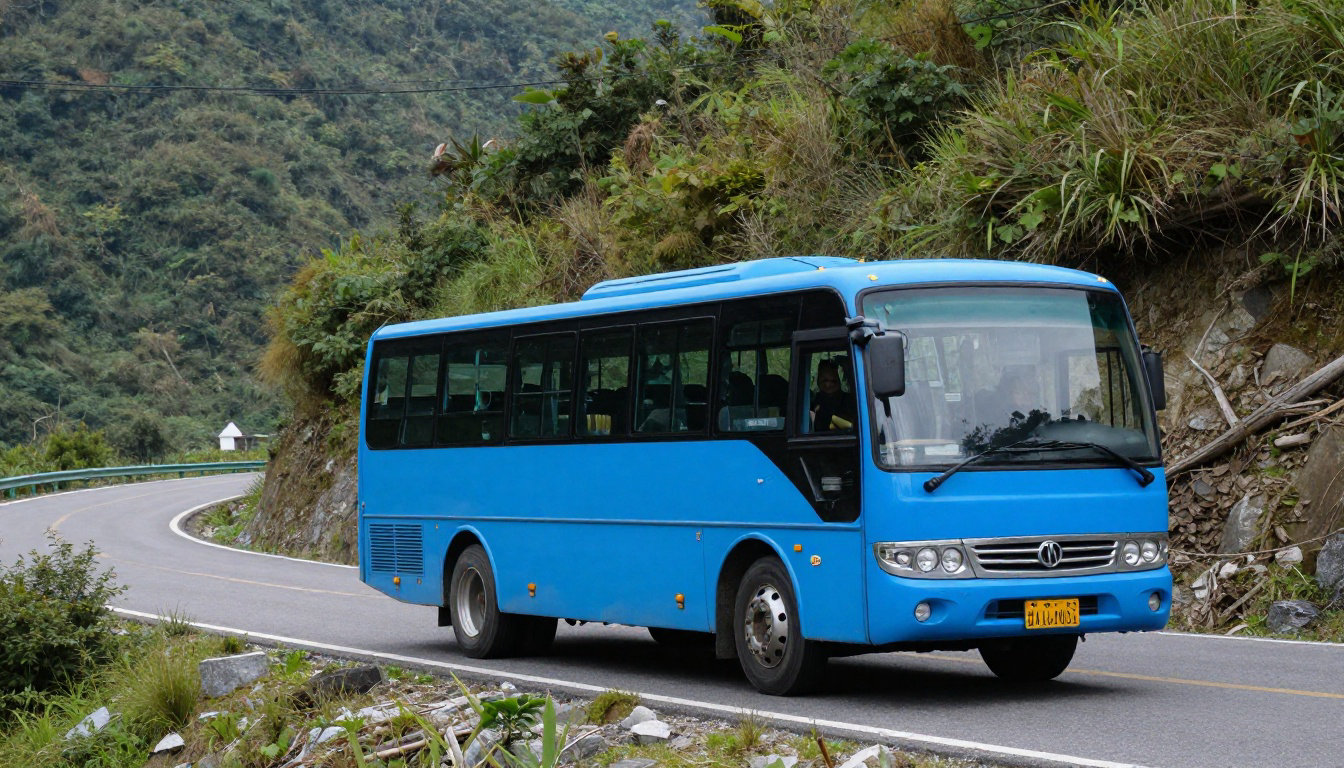
Steep mountain roads cause significantly slow transit times across the island. A fifty-mile journey can easily consume three hours of travel. Geography strictly dictates the pace of every public vehicle.
Public transport suffers from a total absence of late-evening service options. Buses usually stop running by 6 PM in most regions. This limitation restricts nightlife for anyone staying outside major urban centers.
Some inland villages remain entirely unreachable without arranging private hire. Infrastructure heavily favors coastal routes over the rugged, mountainous interior.
Small stops lack luggage lockers or storage facilities. Carrying heavy bags between transfers presents a significant physical challenge for travelers.
Transit Advantages
Scenic “U Trinighellu” train views
Lower cost than car rentals
Immersive coastal walking access
Transit Drawbacks
Sparse daily frequencies
No late-evening services
Limited inland accessibility
Reliability and Real-Time Updates for Travelers
Heavy road traffic during summer frequently causes substantial bus delays. Public vehicles share narrow roads with numerous camper vans and rentals. Punctuality is often a suggestion rather than a fixed rule.
Local tourism offices are your best allies, providing the most accurate daily updates on strikes, delays, or route cancellations that apps might miss.
Speaking directly to drivers is the best method for route confirmation. They often possess knowledge regarding roadworks or temporary changes before official websites update. This direct communication ensures your data is current.
Peak season requires arriving at the stop well before departure. Popular routes fill up quickly, often leaving latecomers standing at the curb. Early arrival is essential for securing a seat.
Corsica Car-Free Travel Estimator
Estimate your transit duration across Corsica’s mountainous terrain and check service availability.
60 km
Average speed: 25 km/h (winding roads)
⚠️ Service Warning
Most regional transport stops around 6 PM. You may be stranded if delays occur (Estimated arrival: after 18:00).
❄️ Seasonal Note
Many routes are suspended or strictly limited during the off-season (October to April).
✅ Feasibility Status
Plan looks feasible for daylight hours and peak season.
Pro-tip
Remember to check the specific PDF timetable for your route, as many lines only run once or twice daily.
U Trinighellu Railway: Decoding the Mountain Rail Network
While buses cover the gaps, the heartbeat of Corsican transit is its legendary narrow-gauge railway, offering a reliable alternative to the winding roads.
The Central Line from Bastia to Ajaccio via Corte
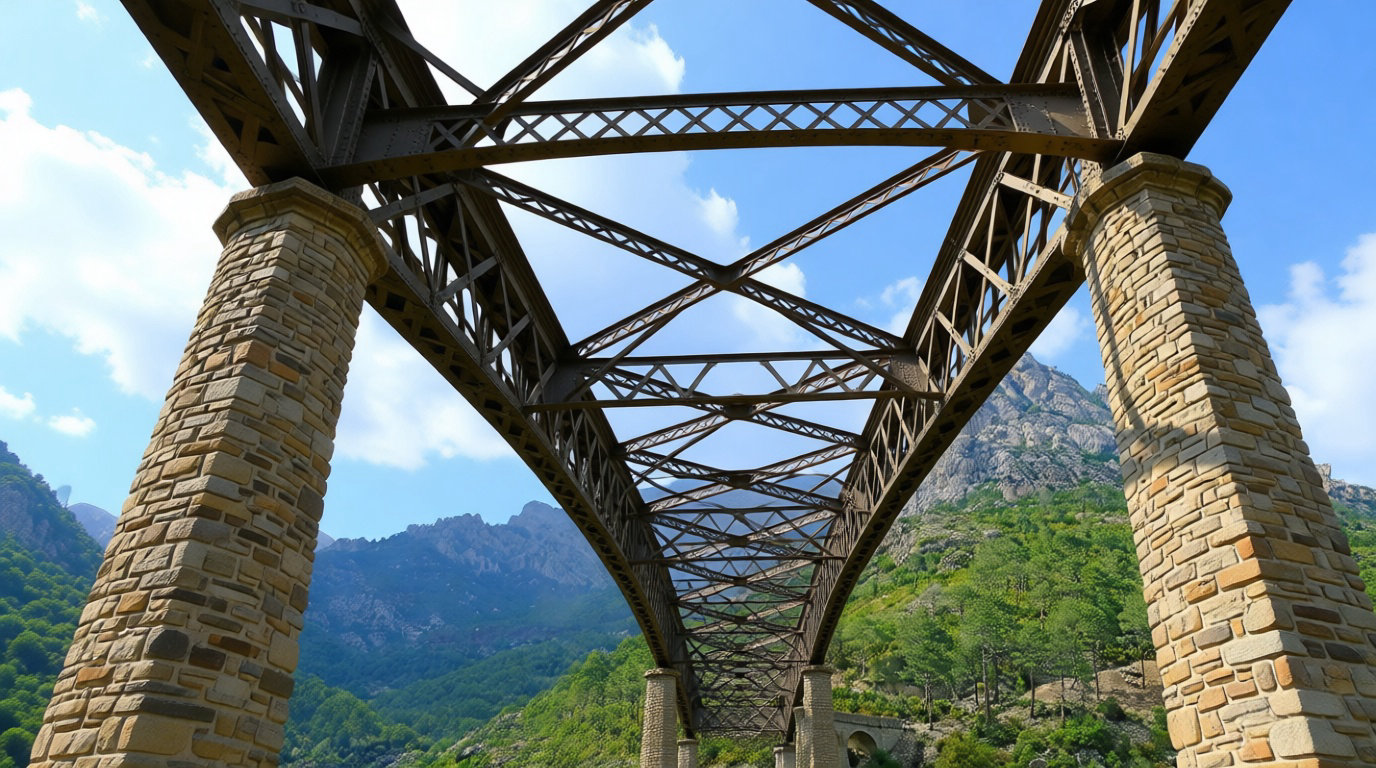
The main line crosses the island’s rugged spine. It passes through the dense Vizzavona forest. The train crosses the famous Eiffel bridge. This route remains the most efficient way to travel between the two capitals.
Corte is a strategic stop for mountain lovers. The station sits a short walk from the historic citadel. It serves as a perfect base for hikers exploring the interior.
Tickets are easily purchased at the station counter. No seat reservations are possible, so flexibility is key. Consider preparing for travel comfort as the mountain tracks can be quite rhythmic.
Balagne Coast Tramway and the Ponte Leccia Connection
A specific branch line splits at Ponte Leccia. This track heads north toward the Balagne region. It connects the granite mountains to the turquoise Mediterranean coast.
The “beach train” service runs between Calvi and L’Ile-Rousse. It stops at several small coves and sandy stretches. This is the ultimate tool for sunseekers without a car. It runs frequently during the high summer season.
Route
Duration
Key Stops
Frequency
Bastia-Ajaccio
~3h 30m
Corte, Vizzavona
Multi-daily
Bastia-Calvi
~3h 00m
Ponte Leccia
Seasonal
Ajaccio-Corte
~2h 00m
Mezzana
Daily
Calvi-L’Ile Rousse
~0h 45m
Coastal beaches
High (Summer)
Regional Bus Lines: Connecting the Gaps Between Major Hubs
Transitioning from the rail network requires a shift in strategy, as private coaches become the primary link for southern destinations. These buses provide the only lifeline for reaching the rugged coastal fringes of Cap Corse or the far south.
Major Bus Operators
Key carriers include Eurocorse Voyages (South), Autocars Corse-Méditerranée (Cap Corse), and Muvistrada (Ajaccio).
Major Intercity Routes and Primary Operators
Eurocorse Voyages dominates southern logistics, managing the vital Ajaccio to Porto-Vecchio link. Tickets are usually purchased directly from the driver upon boarding. This route serves as a backbone for coastal travel.
Reaching northern Cap Corse involves specialized companies like ACM. These buses handle winding coastal roads, departing mainly from the Bastia port area. They offer essential access to remote maritime villages.
Reliable data is the key to successful transit. Prioritize these routes and resources:
Ajaccio to Bonifacio: Essential southern link via Sartène.
Porto-Vecchio to Bastia: Primary southeast coastal line.
Saint-Florent shuttles: Seasonal desert access via Agriates Evasion.
Corsica Bus website: The best tool for consolidated schedule data.
Navigating Remote Areas and Seasonal Shuttles
Reaching the Alta Rocca mountains requires precision. Local coaches serve villages like Zonza from Porto-Vecchio, often limited to one return trip daily. Planning is mandatory to avoid being stranded.
Airport connectivity in Bastia and Ajaccio is efficient. Shuttles run frequently to city centers, timed to coincide with major flight arrivals. They provide a seamless transition for foot travelers.
The Porto region is accessible via Sagone, offering the only way to see the Piana Calanques without driving. Getting around Corsica without a car is feasible, though it lacks the storage of a https://www.ferry-to-corsica-trip.com/ferry-corsica-camper/.
Strategic Accommodation: Best Places to Stay Without a Car
Identifying a central base is the primary factor in determining the success of a car-free itinerary, as local transit networks dictate your operational range. Selecting a location with high connectivity ensures that regional exploration remains efficient rather than exhaustive.
Ajaccio and Bastia as Multimodal Transit Hubs
Ajaccio and Bastia represent the only comprehensive transit hubs on the island. These urban centers offer the highest density of bus and train services. Every major regional route radiates from these specific urban cores.
Strategic lodging near Place Foch in Ajaccio ensures immediate access to the ferry terminal. Similarly, the Bastia train station remains a central anchor for northern travel. This proximity effectively eliminates the requirement for local taxis.
Arriving at the port after a ferry to Corsica from Sète serves as an excellent starting point for those beginning their journey in L’Île-Rousse before heading to these hubs.
Calvi and L’Ile-Rousse for Pedestrian-Friendly Exploration
The Balagne coastal towns are defined by their exceptional walkability. Visitors can easily reach the beach, local supermarkets, and historical citadels entirely on foot. Life in these sectors is intentionally slow and accessible.
The local beach train provides a seamless mechanism for day trips to neighboring coastal villages. You can explore Algajola or Marine de Davia without a vehicle. It remains the most stress-free method to experience the coastline.
For a car-free summer, the Balagne region offers the perfect balance of sandy beaches and reliable rail transport, making it the most convenient choice for families.
Corte for Mountain Access and Hiking Connectivity
Corte stands as the premier inland base for non-drivers. It is the only mountain municipality featuring a direct rail link to the coast. Hikers frequently utilize this hub to access various GR20 trailheads.
Hiking Access
Utilize the seasonal C13 shuttle from Corte station to the Bergeries de Grotelle. Running from May to September, this €4 round-trip service provides essential access.
The town itself is notably compact and pedestrian-oriented. A lively university atmosphere keeps the center navigable and vibrant. Most trail departures are located within a twenty-minute walk from the main square, providing a paradise for hikers.
Alternative Mobility: Utilizing Bikes and Coastal Paths
When public transport reaches its limit, human-powered movement provides the final link to the island’s hidden gems. Moving by foot or pedal offers a level of access that traditional vehicles simply cannot match.
The GT20 and Electric Bike Rental Logistics
The GT20, or “Great Crossing,” spans the island from north to south. Electric bikes have made these steep, mountainous grades accessible to average travelers. This route connects Bastia to Bonifacio over 592 km of diverse terrain.
Charging infrastructure is growing steadily across the territory. Many mountain gîtes now offer dedicated e-bike stations or secure battery lockers. This allows for multi-day tours without the fear of a dead battery in the wild.
Rental Logistics
Shops are located in Bastia and Ajaccio.
E-bikes maintain a reasonable daily cost.
May, June, and September are ideal months.
Advance booking is strictly necessary.
Coastal Paths and Pedestrian-Only Heritage Sites
The Sentier des Douaniers in the north is only accessible on foot. It connects Macinaggio to Barcaggio through protected natural reserves. This path preserves the raw integrity of the Cap Corse shoreline away from traffic.
Historic citadels like those in Bonifacio or Calvi are largely car-free by design. Walking their narrow alleys is the only way to experience their history. These ancient stone corridors remain preserved from modern motor noise.
Slow travel allows you to discover secluded coves that cars cannot reach. It is the ultimate reward for those who leave the steering wheel behind. For those looking further, extending a car-free trip to neighboring islands is a simple transition from southern ports.
Mastering travel by coordinating “U Trinighellu” rail schedules with seasonal regional buses ensures a seamless experience. By prioritizing coastal hubs like Ajaccio or Calvi, you unlock the island’s beauty while avoiding mountain driving stress. Secure your 2026 itinerary now to experience the ultimate freedom of getting around Corsica without a car. Explore further, move slower, and see more.
FAQ
How feasible is it to explore Corsica without a car?
Navigating Corsica without a private vehicle is entirely possible, provided you focus your itinerary on the primary transit corridors. The “U Trinighellu” train serves as the backbone of island travel, connecting major hubs like Bastia, Ajaccio, and Corte, while regional bus operators bridge the gaps between coastal towns and southern destinations.
Success requires a shift toward “slow travel” and meticulous planning. Since many regional bus routes only operate once or twice daily, aligning your schedule with these sparse departures is essential. Concentrating your stay in well-connected hubs like Calvi or Ajaccio further optimizes your mobility without the need for a steering wheel.
What are the best places to stay in Corsica for car-free travelers?
Strategic accommodation is the most critical factor for a car-free trip. Ajaccio and Bastia are the premier choices, functioning as multimodal hubs where ferry ports, train stations, and bus terminals converge within walking distance. These urban centers offer the highest density of transit options radiating across the island.
For those seeking a coastal experience, the Balagne region—specifically Calvi and L’Île-Rousse—is highly recommended. These towns are exceptionally pedestrian-friendly and are linked by a frequent seasonal “beach train.” If you prefer the mountains, Corte serves as an ideal base, offering direct rail access and seasonal shuttles to hiking trailheads like the Restonica Valley.
Which bus companies operate the main routes across the island?
The regional bus network is managed by several private operators, with Eurocorse Voyages being a dominant provider for the vital link between Ajaccio and Porto-Vecchio via Bonifacio. In the north, Autocars Corse-Méditerranée (ACM) handles various routes, including services toward Cap Corse, while Muvistrada manages the local transit network within the Ajaccio metropolitan area.
It is important to note that consolidated digital schedules can be difficult to find. Reliable data is best obtained directly from local tourism offices or by checking physical timetables at the main bus stations. Most intercity tickets are purchased directly from the driver upon boarding, making cash on hand a practical necessity.
How reliable is the U Trinighellu train for daily transit?
The Corsican railway is a picturesque and functional way to cross the island’s rugged interior, but it operates on a unique mountain rhythm. While it provides a reliable connection between the two capitals, the narrow-gauge tracks and steep terrain mean transit times are significantly longer. Delays can occur due to technical maintenance or weather conditions in high-altitude passes.
Travelers should view the train as both a transport method and a scenic experience. During the summer, the frequency of the Balagne tramway increases to serve beachgoers, but the main central line maintains a fixed schedule with limited daily departures. Always verify the current month’s timetable at the station, as seasonal shifts are common.
Can I reach remote hiking trails and mountains without a car?
Accessing the interior requires utilizing seasonal shuttles that operate during the peak summer months. In the Alta Rocca region, local coaches connect Porto-Vecchio to mountain villages like Zonza, though these often run only once per day. Similarly, Corte provides a dedicated shuttle to the Bergeries de Grotelle, opening up high-altitude lakes to hikers who arrive by train.
For the ultimate car-free mountain experience, many travelers opt for the GR20 or Mare a Mare trekking paths, moving between gîtes on foot. Alternatively, renting an electric bike (e-bike) is an increasingly popular solution for tackling steep grades. Many mountain lodges now provide charging infrastructure, allowing for multi-day cycling tours through the heart of the island.
🟡 Corsica Ferries Yellow Friday: up to 70% off Corsica, Sardinia, Balearics (travel until 08/11/2027)